
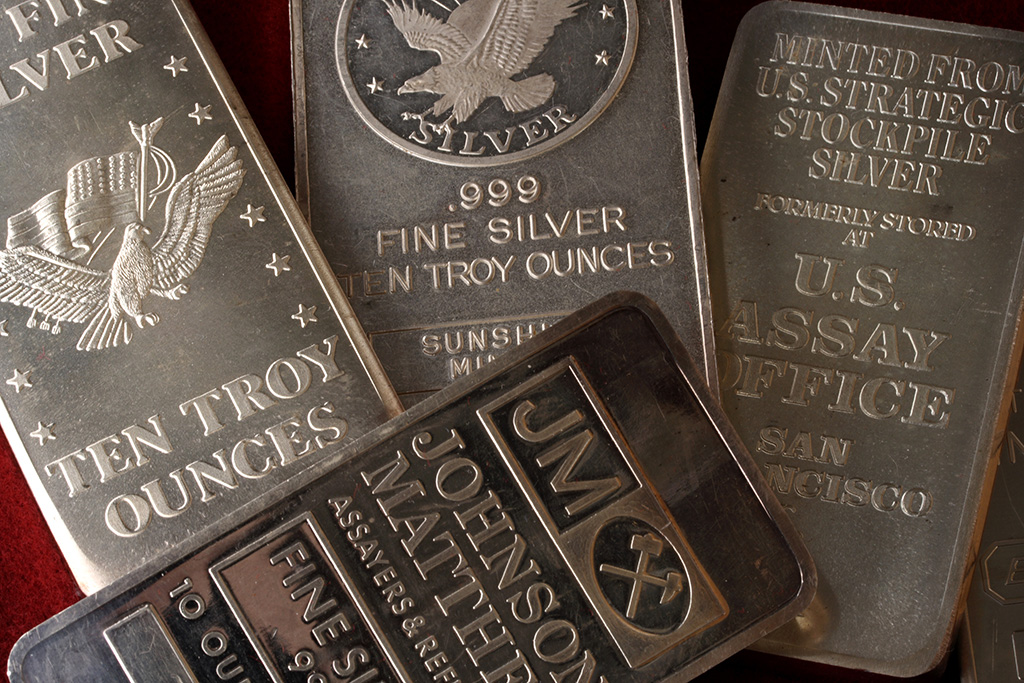
Silver keeps sending the same message to the market, and traders would be wise to listen.
According to the Silver Institute’s World Silver Survey 2026, the global silver market is heading for a sixth consecutive annual deficit, with the 2026 shortfall projected at 46.3 million troy ounces. That is up from 40.3 million ounces in 2025, a widening of roughly 15%, even as overall demand is expected to soften from last year’s extremes. The reason is simple: physical supply remains tight enough that the market still cannot fully satisfy consumption and investment demand without pulling metal out of existing inventories. (Reuters)
That matters because silver is not just another metal sitting quietly in a vault. It is a hybrid asset. It is part monetary metal, part industrial necessity, and part speculative pressure point. It is used in electronics, solar applications, electric vehicles, jewelry, and investment products, which means it is pulled by both manufacturing demand and financial fear at the same time. When supply gets tight, silver does not always move in a calm, orderly fashion. It tends to lurch. (Reuters)
The latest survey suggests one major pillar of support will remain physical investment demand. In particular, coin and bar demand is expected to rise sharply in 2026, helped by recovering Western buying and sustained investor interest in tangible bullion. Reuters reported that coin and bar demand is seen rising 18%, while the Silver Institute’s February outlook had physical investment reaching 227 million ounces, the strongest level in three years. That is a powerful signal. It means investors are still seeking silver not merely as a trade, but as something they want to hold. (Reuters)
On the supply side, the story remains restrictive. The April 15 survey update cited by Reuters says total global silver supply is forecast to decline 2% in 2026, in part because producer hedging is normalizing after a jump in the second half of 2025. That is a notable change from the Silver Institute’s earlier February outlook, which had anticipated modest supply growth. In other words, the market has become tighter as the year has progressed, not looser. (Reuters)
This ongoing imbalance has already had consequences. Since 2021, an estimated 762 million troy ounces have been drawn from above-ground stocks to help bridge repeated yearly deficits. That continuing drain is one reason silver remains vulnerable to sudden episodes of physical stress. Even when futures prices cool, the underlying structure of the market can remain fragile. (Reuters)
London, still one of the world’s key silver liquidity centers, offers a glimpse into that fragility. Reuters reported that at the end of March 2026, about 28% of the 884 million ounces held in London vaults were not tied to exchange-traded products and were therefore potentially available to support market liquidity. That is an improvement from the historic low seen during last year’s squeeze conditions, but it does not mean the market is comfortable. Metals Focus warned that another squeeze could reappear if volatility rises again, especially if Indian demand revives and exchange-traded product inflows accelerate. (Reuters)
That is the real takeaway for investors. Silver is not merely trading on a chart pattern or a momentum headline. It is trading on a market structure that has now been in structural deficit for six consecutive years. Even if some industrial categories ease, and even if headline demand does not explode higher, the market still appears unable to rebuild a comfortable surplus. That keeps silver unusually sensitive to any shock in investor sentiment, geopolitical risk, or supply-chain disruption. (Reuters)
For offshore-minded investors, silver’s appeal is not hard to understand. Gold may remain the prestige metal, but silver often behaves like gold with a louder amplifier. It reacts to monetary stress, inflation anxiety, and distrust in paper systems, but it also carries an industrial growth narrative tied to electrification and technology. That mix can create outsized upside during tight physical markets, but it also brings sharp volatility. (Reuters)
The 2026 World Silver Survey does not describe a market that has healed. It describes a market still living off inventory drawdowns, still dependent on physical investment, and still vulnerable to renewed strain. Six consecutive deficits are no longer a temporary imbalance. They are a structural warning.
And in markets like this, tightness has a way of becoming the story long before the crowd notices.
Leave a Reply