
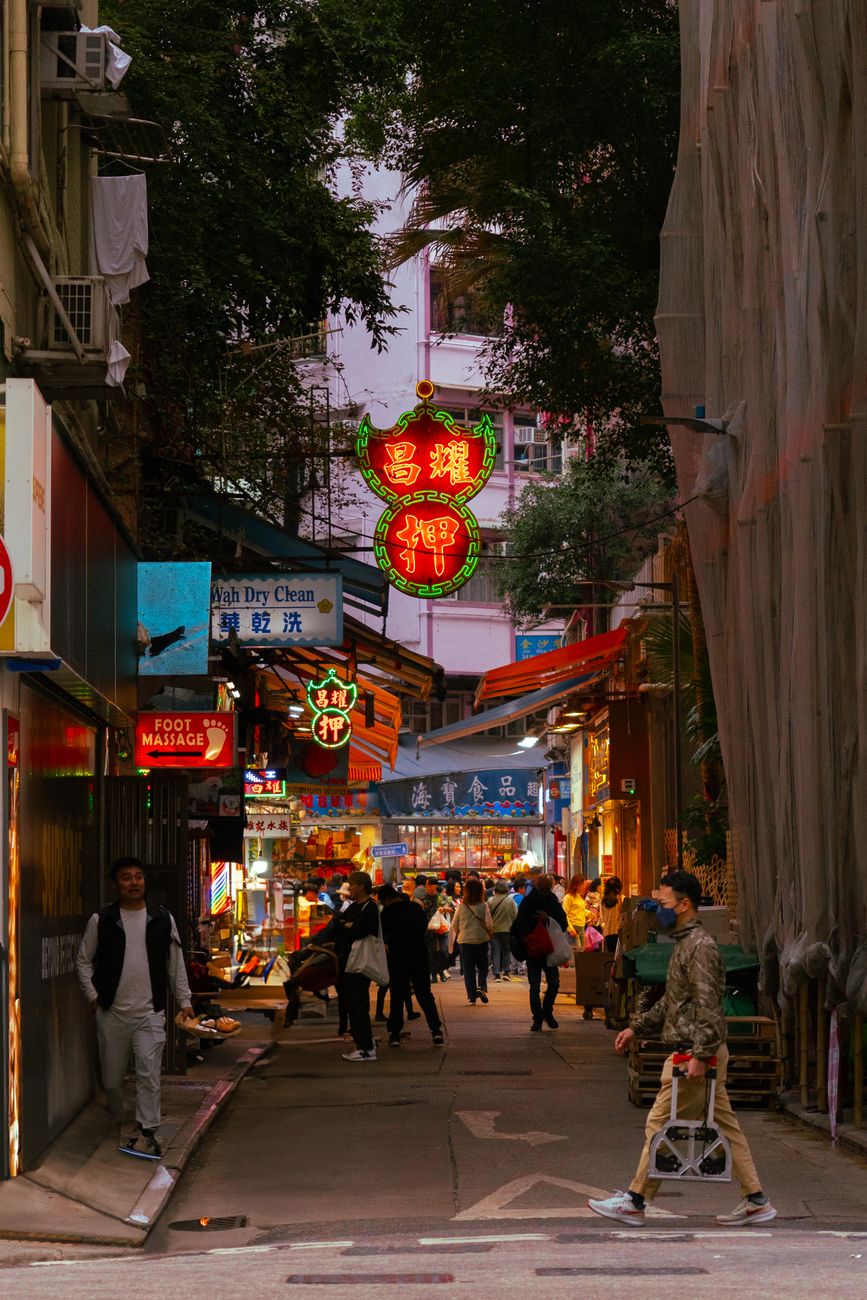
On July 7, Hong Kong is expected to process the first settlement through its new gold clearing and settlement system — a milestone that may be remembered as the moment Asia stopped merely consuming gold and began building the financial infrastructure to price, settle, store, and control it.
For generations, the gold market has been anchored in the West. London has dominated over-the-counter bullion trading. New York has dominated futures price discovery. The World Gold Council still identifies London OTC, the U.S. futures market, and the Shanghai Gold Exchange as the three most important global gold trading centres, together representing more than 90% of global trading volumes. But the map is changing.
Hong Kong’s new system is designed to mirror the London model by allowing settlement through unallocated gold accounts, a structure that supports faster, deeper, more scalable institutional trading. According to reports, the city’s Financial Services and the Treasury Bureau has moved the project into its final stage, with the first settlement expected Tuesday, July 7.
That matters because settlement is power.
Without clearing, a gold hub is mostly a warehouse, a showroom, or a transit point. With clearing, it becomes a market. It can attract banks, refiners, traders, sovereign entities, logistics firms, family offices, and institutional capital. It can create local liquidity. It can narrow spreads. It can support financing, hedging, custody, leasing, and structured products. Most importantly, it can begin to influence price.
This is why Hong Kong’s gold settlement launch should not be viewed in isolation. It is part of a wider Asian buildout. Singapore is also moving aggressively, with DBS, Deutsche Bank, ICBC Standard Bank, JPMorgan, OCBC, and UOB signing a memorandum of understanding with Singapore Exchange to participate as clearing members in its own OTC gold clearing initiative. Singapore’s central bank also plans to introduce gold-vaulting services for foreign central banks and sovereign entities.
In other words, Asia is not waiting for permission.
China and India remain two of the world’s great physical gold demand centres. Hong Kong is building connectivity with the Shanghai Gold Exchange. Singapore is positioning itself as a neutral institutional hub for ASEAN and sovereign flows. The region that has long absorbed gold is now building the rails to clear it.
This is the deeper story: the gold market is moving east, not in a single dramatic break, but through infrastructure.
Vaults. Clearing systems. Refining capacity. Shanghai connectivity. Central bank custody. Bullion-bank participation. Tax incentives. Institutional settlement. These are not headlines for tourists. These are the hidden pipes of monetary power.
KPMG has noted that Hong Kong’s Precious Metals Central Clearing Company is expected to support over-the-counter spot gold settlement through unallocated accounts, while broader infrastructure is being developed around refining, trading, storage, and secure logistics. That is how a city moves from being a gold transit point to a regional price-setting contender.
London and New York are not disappearing. That is not the point. London remains the historic wholesale bullion centre, and COMEX remains deeply important to global price discovery. But the age of a purely Western gold architecture is ending.
The new gold map is multipolar.
London clears. New York trades. Shanghai prices. Hong Kong settles. Singapore vaults. Dubai moves physical flows. Central banks accumulate. Family offices hedge. Sovereign entities diversify.
This is not just about gold. It is about trust.
Gold has no board of directors, no central-bank promise, no counterparty liability, and no political press conference attached to it. In an age of debt saturation, currency competition, sanctions risk, and digital settlement, gold is becoming the neutral asset underneath the noise.
July 7 may therefore mark more than the first settlement in Hong Kong’s new system. It may mark the first visible turn of a much larger wheel: the shift from Western gold dominance to Asian gold infrastructure.
The buyers were already in the East.
Now the settlement rails are arriving too.
And once the rails arrive, the market follows.
Leave a Reply