
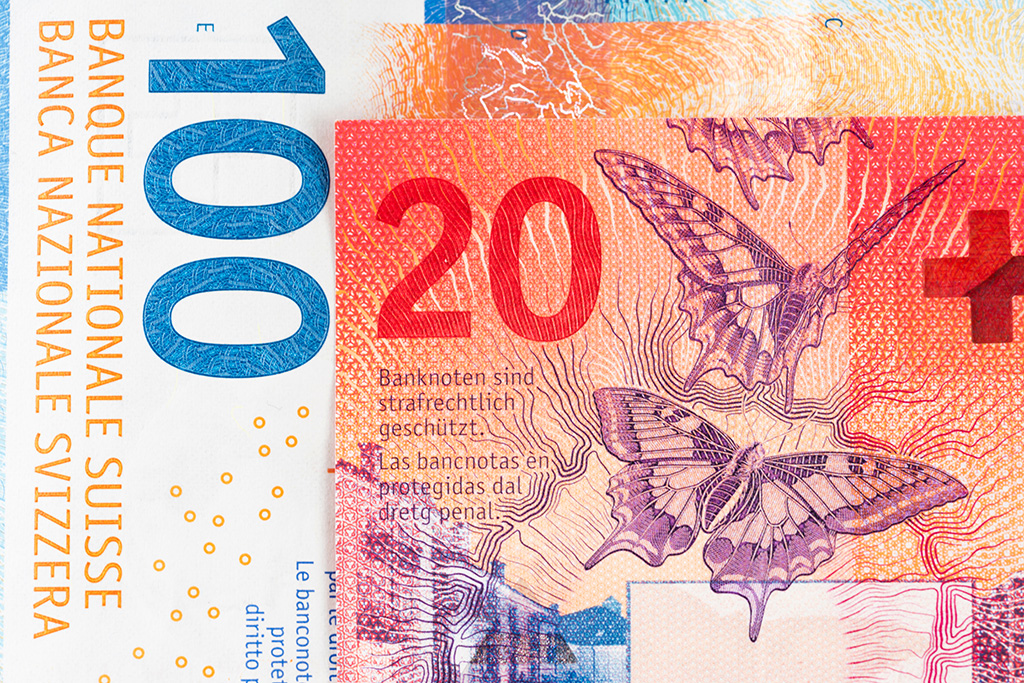
On March 8, 2026, the Swiss people delivered one of the clearest monetary messages of the decade: cash must remain. Not as nostalgia. Not as a courtesy. Not as a relic for the elderly or the rural. But as a permanent constitutional feature of Swiss monetary life.
The result was decisive. While the original “Cash is freedom” popular initiative was rejected, Switzerland approved the government-backed counter-proposal on Swiss currency and cash supply by 73.39%, with every canton supporting it. The vote enshrines the principle that Switzerland’s currency and cash supply must remain constitutionally protected. (Swiss Federal Council)
For the global cashless lobby, this was not a technical vote. It was a political thunderclap.
For Christine Lagarde’s European Central Bank, it was a deadly symbolic blow.
Not because Switzerland can legally stop the ECB. It cannot. Switzerland is not a member of the European Union, not part of the Eurozone, and does not use the euro. The ECB’s digital euro plans remain an EU and Eurozone matter. Switzerland uses the Swiss franc, and the Swiss National Bank conducts monetary policy as an independent central bank. (European Union)
But symbolism matters in money. Trust is symbolism. A banknote is symbolism. A coin is symbolism. A national currency is sovereignty made visible.
And Switzerland just told the world: virtual money shall not replace physical money.
A Blow to the Digital Euro Narrative
The ECB insists the digital euro would “complement cash, not replace it.” Its own FAQ states that cash would continue as legal tender and coexist with a digital euro. (European Central Bank)
That is the official language.
But voters across Europe are not only listening to official language. They are watching behaviour. They see bank branches closing. They see ATM networks thinning. They see merchants nudged toward cards, apps, and platforms. They see programmable finance discussed in policy circles, even while central bankers deny that their own CBDCs would become programmable control systems.
The ECB says the digital euro is about European strategic autonomy, resilience, inclusion, and digital payments sovereignty. It is preparing for possible issuance by 2029 if the legal framework is adopted, with pilot activity planned before then. (European Central Bank)
Switzerland’s vote does not cancel that roadmap.
But it punctures the inevitability of it.
It says that advanced, wealthy, technologically sophisticated societies do not have to surrender cash to prove they are modern. Switzerland is not anti-technology. It is anti-coercion. It is saying the citizen must retain a direct, private, bearer instrument of payment outside the permission structure of banks, apps, telecom networks, and central databases.
Agenda 2030 Meets the Swiss Ballot Box
Agenda 2030 is officially the United Nations framework for Sustainable Development Goals, adopted in 2015 as a global plan for development, prosperity, and environmental stewardship. (Sustainable Development Goals)
But in the monetary debate, “Agenda 2030” has become shorthand for something else: the fear that global policy coordination is being used to centralize control over energy, identity, banking, payments, and personal behaviour.
That is why the Swiss vote carries weight far beyond Bern.
Cash is not merely a payment method. It is a civil liberty. It works when the power goes out. It works when networks fail. It works without a password, a phone, a bank login, or a political permission slip. It gives the individual a small but essential zone of autonomy.
To the cashless technocrat, cash is inefficient.
To the citizen, cash is freedom.
To the investor, cash is optionality.
Switzerland Chooses Sovereignty
This is the same Switzerland that built its reputation on neutrality, privacy, banking credibility, direct democracy, and the Swiss franc. It is no accident that cash protection found such strong support there.
The Swiss franc is more than currency. It is a national trust instrument. The Swiss National Bank has the exclusive right to issue banknotes and is charged with supplying the economy with secure, high-quality cash. (SNB)
That is the old model of money: tangible, sovereign, conservative, and trusted.
The new model is digital, centralized, and constantly justified by convenience.
The Swiss people have now drawn a constitutional line between the two.
The Real Message to Investors
The Swiss vote should be read as part of a broader global revaluation of monetary trust. Gold is rising. Silver is waking up. Central banks are buying bullion. Sovereign wealth funds are diversifying. Investors are questioning fiat debt, digital control, and counterparty risk.
Cash, gold, land, energy, productive infrastructure, and jurisdictional diversification are all part of the same conversation.
The future will be digital, yes. But the Swiss have reminded the world that digital must not mean compulsory. A free monetary system must allow physical cash, private exchange, hard assets, and sovereign choice.
That is why March 8, 2026 matters.
It was not a legal defeat for Christine Lagarde.
It was something more dangerous to the cashless agenda: a public rejection of inevitability.
Switzerland voted for cash. Switzerland voted for the franc. Switzerland voted for monetary independence.
And in doing so, Switzerland fired a warning shot across the bow of every institution that believes the future of money belongs only to screens, wallets, apps, and central banks. Switzerland’s Cash Constitution Rocks!
For Invest Offshore readers, the lesson is clear: jurisdiction matters. Sovereignty matters. Tangible value matters. And as the world moves deeper into digital finance, the smartest capital will continue seeking real assets, private structures, and strategic opportunities beyond the reach of one-size-fits-all monetary control.
Invest Offshore continues to review investment opportunities in West Africa, including opportunities seeking investors in the Copperbelt Region.
Leave a Reply