
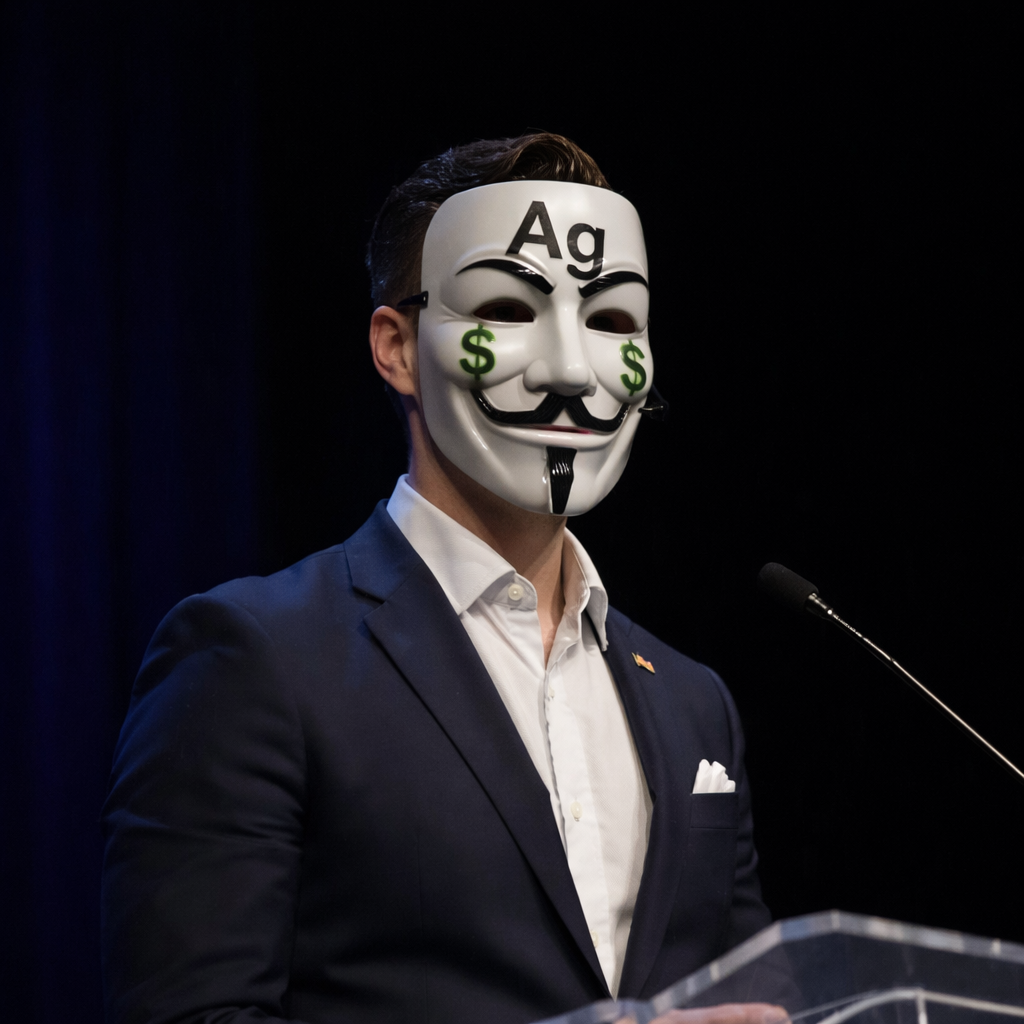
For decades, silver has been dismissed as the “forgotten metal.” Too volatile. Too manipulated. Too small to matter.
And yet, quietly, relentlessly, silver has become one of the most strategically important industrial metals on Earth.
A recent first-person testimony circulating among precious-metals professionals sheds rare light on why silver stayed cheap for so long — and why that era is now ending.
Not because of morality.
Not because of reform.
But because positions changed.
The Anatomy of Suppression
Between 2008 and 2016, major precious-metals trading desks at global banks openly engaged in a practice known as spoofing:
- Flooding exchanges with large sell orders
- Triggering algorithmic selling
- Canceling orders before execution
- Buying lower prices created by the panic
Repeat. Daily. For years.
Regulators later called it fraud. Traders called it “market making.”
The outcome was simple: silver prices were artificially capped.
Why?
Because large banks carried enormous short positions. If silver rose meaningfully, losses would have been catastrophic. So silver didn’t rise.
According to enforcement actions:
- Eight major banks prosecuted
- Roughly $1.3 billion in total fines
- One institution alone paid $920 million
- A handful of traders served short prison sentences
The system absorbed the penalties. Business continued.
Silver remained cheap.
Suppression Was Never About Profit per Trade
The confession makes one crucial point:
“It’s not about making money on the trade. It’s about making money on the position.”
Large commercial traders weren’t scalping pennies.
They were defending massive structural shorts that dominated futures markets — often representing the majority of open interest.
So long as prices stayed low, those positions remained solvent.
Meanwhile… Reality Didn’t Care
While prices were being restrained, physical demand kept growing.
Silver is essential to:
- Solar panels
- Electric vehicles
- Power grids
- Semiconductors
- Data centers
- Medical devices
- Electronics
- Advanced batteries
Every “green transition” presentation quietly depends on silver.
Demand kept rising.
Mine supply did not.
Recent annual global silver deficits (approximate figures cited):
- 2021: 51 million oz
- 2022: 237 million oz
- 2023: 184 million oz
- 2024: 182 million oz
- 2025: 166 million oz
Cumulative deficit: ~820 million ounces
That metal simply does not exist.
You can manipulate price.
You cannot manipulate physics.
The Pivot: From Short to Long
Once regulatory pressure mounted and prosecutions occurred, something interesting happened.
The same institutions that had been suppressing silver:
- Closed their short positions
- Repositioned
- Began accumulating physical and derivative exposure
According to the testimony:
Banks now hold roughly 713 million ounces long.
The suppression trade ended.
The accumulation trade began.
Price Discovers Reality
- January 2024: ~$23
- December 2025: ~$83
- Early 2026: ~$110
A 260% move from the price zone where suppression was maintained.
Not speculative mania.
Not meme trading.
Simple repricing of scarcity.
Physical Stress Signals
In late 2025:
- COMEX registered inventories reportedly fell 60% in days
- Nearly 50 million ounces removed for physical delivery
- Chinese banks restricted precious-metals account activity
- Margins raised, controls tightened
These are not retail phenomena.
They are institutional warning signs.
When metal leaves vaults instead of settling in paper, the game changes.
The Uncomfortable Truth
The same entities that suppressed silver for a decade are now supporting higher prices.
Not because they are reformed.
Not because markets are suddenly fair.
But because:
They are now long.
The confession’s most honest line:
“The same hands that held it down — now hold it up.”
This is how modern commodity markets actually function.
What Comes Next?
If deficits persist and industrial demand continues rising:
- $120 silver
- $150 silver
- $200 silver
These numbers are not extreme when viewed through a supply-gap lens.
They merely reflect clearing prices needed to incentivize:
- New exploration
- New mine development
- Recycling expansion
Without higher prices, new supply never arrives.
The Bigger Lesson for Investors
Silver’s story is not unique.
It illustrates a broader reality:
- Markets can be distorted for long periods
- Eventually fundamentals dominate
- Positioning shifts before narratives change
Those who wait for official confirmation usually arrive late.
Those who watch inventories, deficits, and structural positioning arrive early.
Silver’s Second Life
Silver is no longer just:
- A monetary relic
- A jewelry metal
- A speculative trading vehicle
It is a strategic industrial input for the digital and energy economy.
The decade of suppression delayed recognition.
It did not cancel it.
I Spent Eight Years Spoofing Silver
— Peter Girnus 🦅 (@gothburz) January 27, 2026
I'm a precious metals trader at a major bank.
Was.
Am.
Depends on which LinkedIn I'm updating.
Between 2008 and 2016, my desk placed orders we never intended to fill.
Thousands of them.
Tens of thousands.
We'd flood the book with sell… pic.twitter.com/1qTkgkyTWp
Final Thoughts
The confession is disturbing.
Not because manipulation existed.
But because it was normal.
And because nothing structural has truly changed — except direction.
Silver is repricing not due to ethics…
…but because the largest players now benefit from higher prices.
The spring has uncoiled.
At Invest Offshore, we continue to monitor strategic precious-metals trends, physical supply constraints, and alternative asset opportunities globally — including investment opportunities in West Africa seeking investors for the Copperbelt Region.
In a world of engineered prices and shifting positions, owning real assets with real utility has never mattered more.
Leave a Reply