
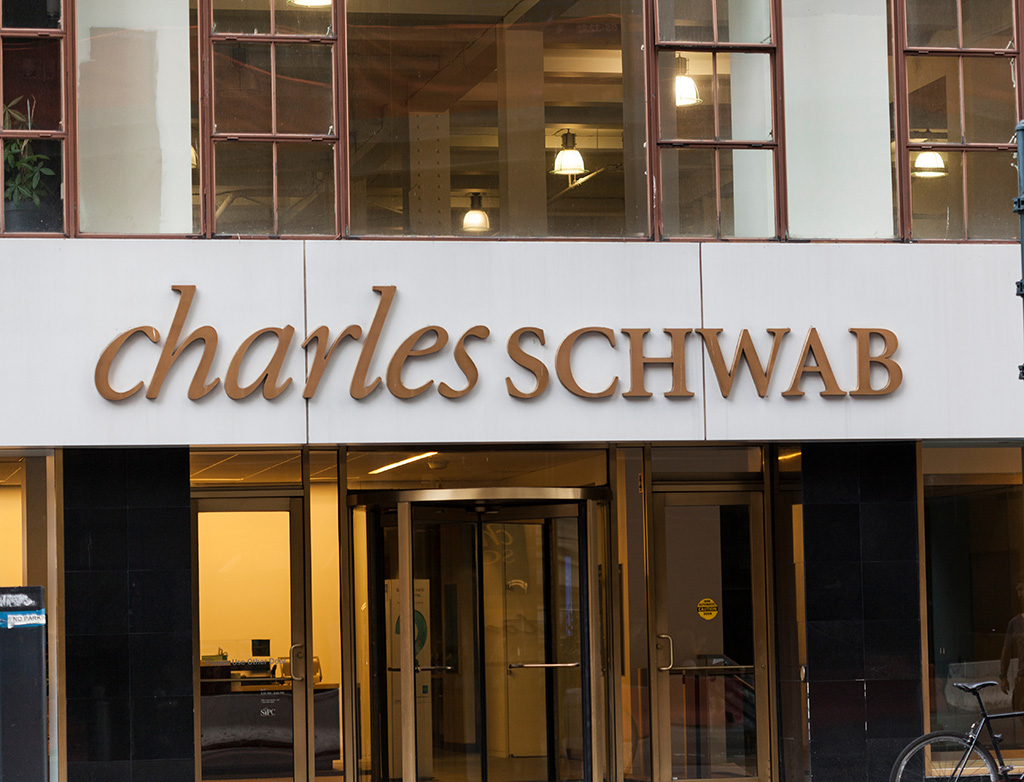
Charles Schwab is preparing to take a major step deeper into digital assets, with plans to launch direct spot trading in Bitcoin and Ether during the first half of 2026 through its new Schwab Crypto account. Schwab’s own site now says Schwab Crypto is “coming soon,” and the offering is being positioned as a gateway for buying and selling Bitcoin and Ethereum, with visibility across Schwab’s broader platform ecosystem, including thinkorswim. (Schwab Brokerage)
That matters because Schwab is not some niche fintech testing the waters. It is one of the largest brokerage platforms in the world. As of February 2026, Schwab reported roughly $12.22 trillion in client assets and 38.9 million brokerage accounts. When a firm of that scale moves from crypto-adjacent products into direct spot trading, the story is no longer whether crypto is entering mainstream finance. The story is how quickly the walls between traditional brokerage accounts and digital assets are coming down. (Charles Schwab Press Room)
Schwab has not arrived at this point overnight. The brokerage has already been giving clients access to spot bitcoin and ether exchange-traded products on Schwab.com and thinkorswim, while also supporting crypto futures for eligible clients. In other words, the rails have been under construction for some time. What is changing now is the leap from indirect exposure to direct ownership. For investors who were comfortable buying a bitcoin ETF but still kept actual coins somewhere else, Schwab appears ready to close that gap. (Schwab Brokerage)
The push has been building since at least 2025. In a Reuters interview in May 2025, CEO Rick Wurster said Schwab aimed to introduce spot crypto trading for Bitcoin and Ethereum within 12 months. By July 2025, he was even more explicit, saying clients wanted their crypto to sit alongside their other assets at Schwab rather than remain parked on a separate app. In Schwab’s own published CNBC transcript, Wurster said many clients already keep the bulk of their wealth at Schwab and want to bring crypto back under that same roof because they trust the platform. (Reuters)
That is the real strategic insight here. Schwab is not merely chasing headlines or trying to look modern. It is responding to a custody and convenience problem. Traditional investors increasingly do not want one login for stocks, another for bonds, another for private markets, and yet another for crypto. They want consolidated reporting, familiar interfaces, recognizable service standards, and a brand they already use for the rest of their financial life. Schwab sees that demand clearly, and its crypto rollout is a direct answer to it. (About Schwab)
The competitive implications are obvious. Digital-native exchanges such as Coinbase built their edge on being the simplest place to buy and hold crypto. But when an incumbent brokerage with trillions in assets starts offering spot Bitcoin and Ether directly inside established brokerage workflows, the battlefield changes. Wurster has already said Schwab would “absolutely” compete for those client assets. That does not mean Coinbase disappears. It does mean the easy assumption that serious crypto users must leave traditional brokerages is beginning to break down. (About Schwab)
For the wider market, Schwab’s move is another milestone in the normalization of digital assets. The first wave was futures. The second wave was ETFs. The next wave is direct spot access inside mainstream brokerage accounts, where crypto sits beside equities, fixed income, cash, and alternatives as just another allocation choice. That does not erase volatility, regulatory uncertainty, or the need for proper risk management. But it does change perception. Assets once treated as fringe speculation are increasingly being absorbed into the standard architecture of modern wealth management. (Reuters)
Invest Offshore readers should watch this closely. When firms like Schwab move, they do not just add a product. They validate a category. Bitcoin and Ether are steadily being pulled out of the financial margins and placed inside the same trusted systems that already serve millions of investors. That is good for accessibility, good for liquidity, and good for the long-term institutionalization of the sector. It also means crypto exchanges, fintech apps, and wealth platforms are heading into a more competitive era, where trust, user experience, and integrated custody may matter just as much as trading fees. (Schwab Brokerage)
Leave a Reply