
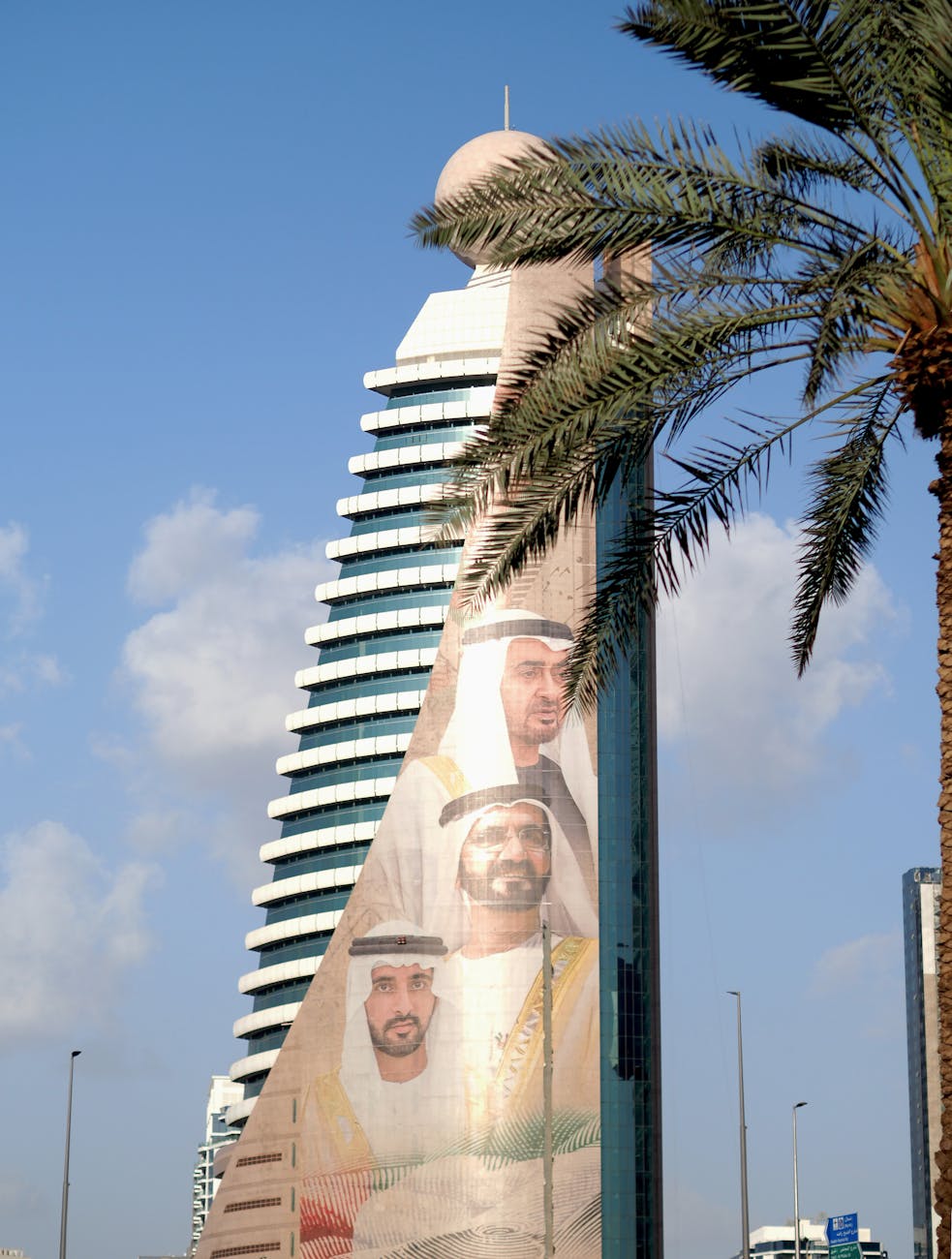
Dubai’s banks are no longer just regional institutions serving a fast-growing city. They have become part of a much larger machine: a financial system built to connect Gulf capital with Africa, Asia, Europe, and the wider Middle East. That matters for offshore investors, international entrepreneurs, family offices, and globally mobile clients who want more than a local branch network. They want scale, speed, credibility, and access. Dubai increasingly offers all four. (DIFC)
The real attraction is not mystery. It is structure. The Dubai International Financial Centre now counts 8,844 active companies, 1,052 regulated firms, more than 500 wealth and asset management companies, and over 290 banks and capital markets institutions. DIFC’s framework is built on principles of common law, and the ecosystem keeps expanding because global institutions see Dubai as a workable base for cross-border business, not merely a marketing story. (DIFC)
Look at the flagship names and the scale becomes impossible to ignore. Emirates NBD, Dubai’s banking heavyweight, reported in January 2026 that total assets had exceeded AED 1 trillion, with record lending growth and more than USD 100 billion in assets under management and administration across its digital wealth platform. This is not the profile of a niche regional bank. It is the profile of a financial giant that is using Dubai as a launchpad for broader regional and international expansion. (Emirates NBD)
Dubai Islamic Bank tells another side of the story. Dubai is not simply a conventional banking centre dressed in Gulf clothing. It is also one of the world’s most important homes for Islamic finance. DIB reported total assets of AED 416 billion for 2025, with customer deposits rising to AED 320 billion. That matters because the city’s banking appeal is built on choice: conventional banking, Islamic banking, private wealth, trade finance, and capital markets all sit in the same commercial universe. (DIB)
Then there is Mashreq, one of Dubai’s oldest private-sector banks, which posted total assets of AED 335 billion at the end of 2025 while keeping its non-performing loan ratio at 1.0%. Commercial Bank of Dubai also expanded, ending 2025 with total assets of AED 160.3 billion and customer deposits of AED 111.4 billion. These figures matter because they show depth beneath the headline names. Dubai is not a one-bank story. It is a layered market with multiple serious institutions serving retail clients, corporates, traders, and international investors. (Mashreq)
What makes the story even more interesting is the direction of travel. The Central Bank’s open finance framework is pushing the market toward more connected financial services, while the Aani instant payments platform had reached 12.5 million users by April 2026, with transfers in about three seconds. In plain English, Dubai’s banking sector is not standing still. It is moving toward a future where regulation, payments infrastructure, digital identity, and cross-platform financial access all matter as much as marble lobbies and private banking suites. (Rulebook)
This is also why serious money keeps paying attention. The DFSA reported 902 regulated entities at the end of 2024, with a sharp rise in wealth-management licences and USD 95.4 billion in outstanding listed sukuk in the DIFC. In March 2026, DIFC also said Dubai had advanced to 7th place in the Global Financial Centres Index, with banking ranked 14th globally. The signal is clear: Dubai is no longer just an emerging centre trying to get noticed. It is now competing for relevance at the top table. (DFSA)
For offshore readers, that is the real takeaway. The banks of Dubai are attractive not because they promise fantasy, but because they sit inside a jurisdiction that has spent years building legal clarity, institutional scale, product diversity, and international reach. If you are moving capital, structuring business, exploring private banking, or looking for a bridge between regions, Dubai belongs on the shortlist. Not as a curiosity. As a contender.
At Invest Offshore, we watch Dubai closely because where banks grow, capital flows follow. And where capital flows follow, opportunity usually is not far behind. Invest Offshore also has investment opportunities in West Africa seeking investors for the Copperbelt Region.
Leave a Reply