
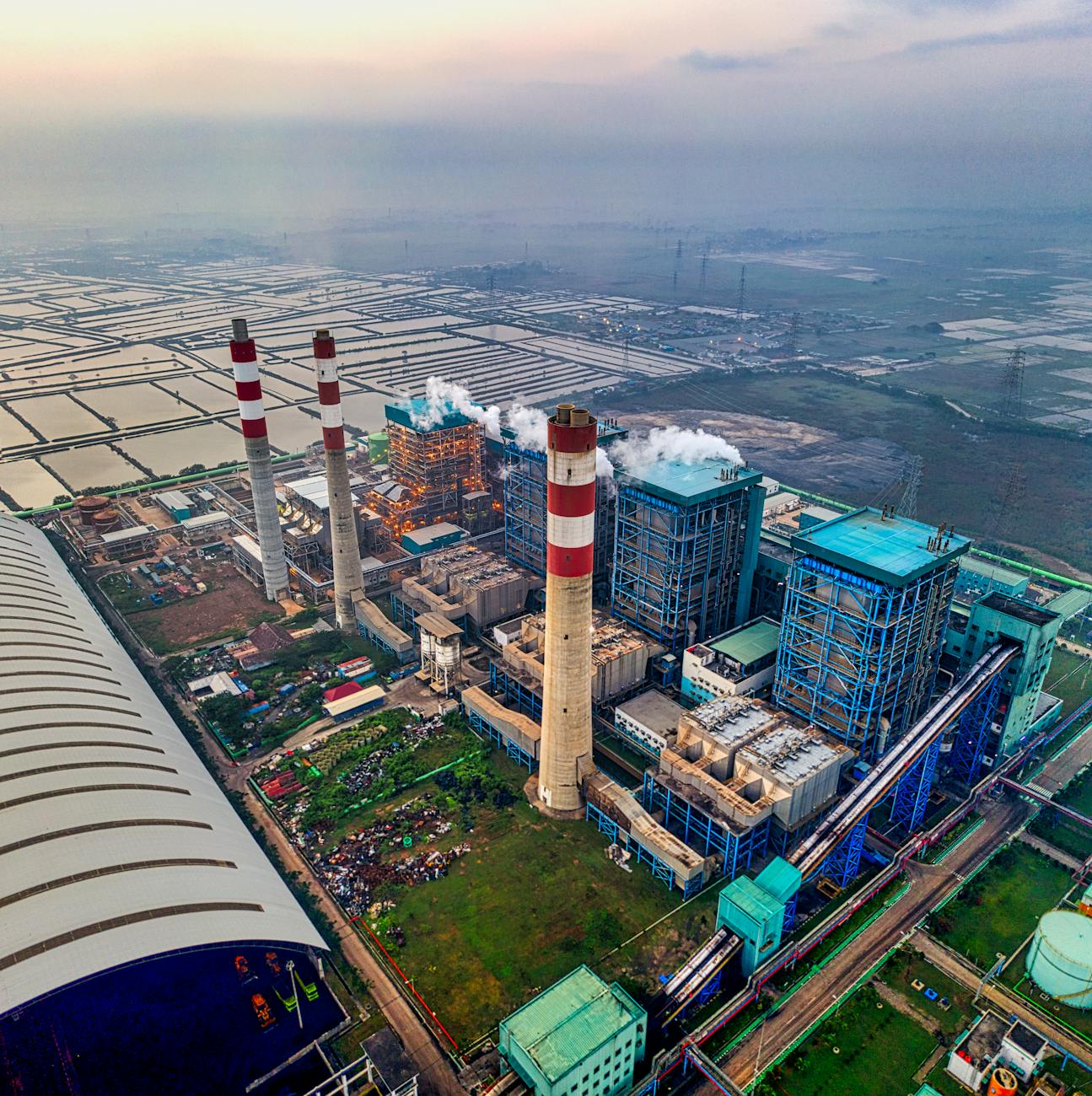
For investors looking beyond fashionable trades and short-term speculation, two of the most practical corners of the market remain energy infrastructure and real estate investment trusts, or REITs. Both are rooted in tangible assets. Both can produce income. And both sit at the center of how economies actually function: power must move, buildings must earn, and capital always gravitates toward assets with durable cash flow.
That matters even more now. The global economy is entering a phase in which electricity demand is rising again, with the International Energy Agency forecasting brisk growth in global power consumption through 2030, while U.S. power demand is also strengthening, helped in part by large computing centers and industrial expansion. At the same time, global energy investment is expected to reach a record $3.3 trillion, with roughly $2.2 trillion directed toward renewables, grids, storage, electrification, and other clean-energy technologies. (IEA)
In plain English, the world is spending heavily on the pipes, wires, storage systems, substations, plants, and property platforms that keep the modern economy alive. That is why investors who want a foothold in real assets are paying close attention.
Why energy infrastructure attracts serious capital
Energy infrastructure is not just about oil pipelines anymore. It now includes transmission lines, battery storage systems, LNG terminals, renewable power projects, interconnectors, substations, data-center power solutions, and the physical networks needed to deliver electricity where demand is growing fastest.
The appeal is simple. Infrastructure assets often serve essential functions, operate under long-term contracts, and can produce relatively visible revenue. In many cases, they benefit from inflation-linked pricing, regulated returns, or take-or-pay style structures that reduce uncertainty compared with more cyclical businesses.
That does not mean they are risk-free. Energy infrastructure investors still need to study regulation, counterparty strength, maintenance costs, political exposure, and how dependent an asset is on one technology or one region. But when chosen carefully, these assets can offer something rare in modern markets: a connection between capital and necessity.
There is also a larger trend at work. As electricity demand rises from data centers, electrification, air conditioning, industry, and transport, grid bottlenecks and generation shortages become investment opportunities. The winners may not only be the companies producing energy, but also the ones owning the infrastructure that moves, stores, balances, and monetizes it. (IEA)
Where REITs fit into the picture
REITs are companies that own or finance income-producing real estate across a range of sectors, and many trade on major stock exchanges, giving investors access to property exposure without having to buy buildings directly. (Nareit)
For many investors, that is the beauty of the structure. Instead of managing tenants, repairs, taxes, and local legal headaches, they can gain exposure to professionally managed portfolios of apartments, industrial facilities, shopping centers, healthcare properties, self-storage, hotels, cell towers, or data centers.
And that last category is where the connection to energy infrastructure becomes especially interesting.
Data-center REITs and tower REITs sit at the crossroads of digital growth and power demand. Warehousing REITs ride supply-chain shifts. Residential REITs can benefit from demographic pressure and housing shortages. Healthcare REITs are tied to aging populations. In other words, REITs allow investors to target specific long-term themes through real estate cash flow.
For an offshore-minded investor, REITs also offer a practical way to diversify across jurisdictions, sectors, and tenants without concentrating capital into one building in one city. That can be especially attractive in a world where liquidity matters and flexibility matters even more.
The income argument still matters
One reason both energy infrastructure and REITs remain compelling is that they can be income-oriented while still offering upside. Growth stocks may tell the future. Hard assets often pay you while you wait.
That is a powerful difference.
When inflation is sticky, when rates move unpredictably, and when geopolitical tensions can reprice entire sectors overnight, investors tend to rediscover the appeal of assets tied to rents, tolling, contracted output, and essential-use networks. These are not always the fastest-moving trades, but they are often the kinds of assets institutions accumulate quietly and hold for years.
Liquidity also matters. Many publicly traded REITs offer stock-market liquidity, while listed infrastructure vehicles can provide easier entry and exit than direct private deals. For investors who want real-asset exposure without locking up all their capital, that is a meaningful advantage. (Nareit)
What investors should watch
The case for both sectors is strong, but selectivity is everything.
In energy infrastructure, the key questions are whether the asset is mission-critical, whether contracts are long-term, whether revenue is linked to volumes or fixed capacity, and whether regulation supports returns. In REITs, investors should study property quality, tenant strength, geographic mix, debt maturity schedules, occupancy, and how exposed the trust is to refinancing pressure.
Interest rates still matter for both. So does management quality. A mediocre asset with disciplined leadership can outperform an excellent asset with bad capital allocation. Investors should not buy “infrastructure” or “REITs” as labels. They should buy cash flow, resilience, and strategic relevance.
The bigger picture
The world is being rebuilt around electrification, digital infrastructure, and the repricing of real assets. That creates opportunity for investors willing to move past headlines and focus on the physical systems underneath the economy.
Energy infrastructure is the steel spine of modern growth. REITs are one of the most efficient ways to own slices of productive real estate. Put together, they offer a serious framework for investors who want income, asset backing, and exposure to long-term structural demand rather than pure market sentiment.
For Invest Offshore readers, the lesson is clear: the next great wave of wealth may not come only from chasing technology headlines, but from owning the hard assets that technology, industry, and cities cannot function without.
And as global capital searches for yield, security, and strategic positioning, Invest Offshore continues to monitor real-asset opportunities tied to energy, infrastructure, and resource development, including select investment themes in West Africa and the Copperbelt region for investors seeking exposure to the next generation of productive assets.
Leave a Reply