
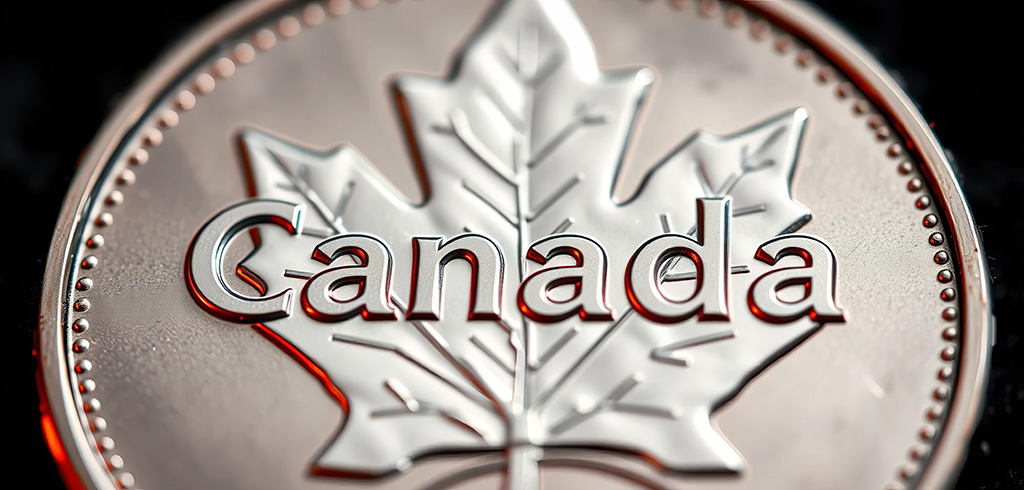
Canada has long been a resource powerhouse, from oil and lumber to potash and precious metals. But a growing number of analysts are now pointing to a looming silver shock—a dramatic market upheaval in the silver market that they say Canada will feel first. According to a recent report by CAD Financial News, this silver shock isn’t coming—it’s already underway, and few investors are prepared. (YouTube)
Silver: From overlooked metal to market maelstrom
Silver has historically played second fiddle to gold. Yet 2025 has been a breakout year for the white metal. Prices have climbed sharply, surpassing US $60 per ounce for the first time on record, driven by persistent supply deficits and intense industrial demand. (Financial Times)
In Canadian dollar terms, the momentum is even more striking—with silver bullion recently trading above CAD $86–87 per ounce, creating renewed interest from collectors and investors alike. (Canadian Coin News)
Why Canada will feel the first impact
So why does the CAD Financial News report emphasize Canada as the first casualty of this shock?
- Currency amplification: The weakening Canadian dollar means that even modest moves in U.S. dollar silver prices get magnified domestically. A rally in USD terms becomes an outsized spike in CAD terms—exacerbating volatility for Canadian holders of physical silver, coins, and mining equities. (Canadian Coin News)
- Physical demand and scarcity: Canada has a strong culture of physical bullion ownership—especially silver coins—which are now trading at steep premiums due to tight supply. As spot prices climb, premiums on Canadian bullion products often widen faster than the metal itself, squeezing retail and institutional investors alike. (Canadian Coin News)
- Supply chain squeeze: Global silver production has struggled to keep pace with industrial use—especially for solar panels, electric vehicles, and emerging technologies. With Canada deeply integrated into North American supply chains, any tightness abroad quickly echoes domestically. (Yahoo Finance)
What’s driving the shock
Several fundamental forces are converging:
- Undersupply for years — despite strong global demand, silver mines have struggled to ramp up production. (Yahoo Finance)
- Industrial demand surge, especially in tech, solar, and EV sectors, which account for a rising portion of total silver consumption. (Yahoo Finance)
- Monetary policy shifts — rate cuts and expectations of looser liquidity tend to push investment capital into precious metals, intensifying price pressure. (Investing.com Canada)
This combination has resulted in silver more than doubling in value in 2025, a rare move that has reignited interest from mainstream investors and resource markets. (Business Insider)
Why very few are ready
CAD Financial News argues that most market participants are still thinking in gold terms—not silver. Gold has historically been the safe haven during economic uncertainty; silver has been seen as secondary, volatile, and industrial. This mental bias means:
- Advisors and institutions may underweight silver exposure
- Retail investors may be buying too late
- Physical supply shortages could worsen before prices fully reflect tightness
This lack of preparation could amplify market stress when shifts become undeniable.
Implications for offshore investors
For offshore investors and wealth preservers, the silver shock presents both risks and opportunities:
⚠️ Risk:
- Sudden spikes in premiums for physical silver
- Volatility in mining equities, especially smaller silver producers
- Regional effects (like in Canada) where currency movements intensify price swings
🌟 Opportunity:
- Strategic allocation to physical silver and bullion products
- Exposure to high-quality silver mining companies
- Using silver as a diversifier alongside gold and other precious metals
The bottom line
Silver isn’t just the “poor man’s gold” anymore. It’s at the intersection of industrial demand, monetary policy shifts, and market psychology—making it one of the most dynamic commodities in 2025. And if the CAD Financial News warning proves prescient, Canada could be the first to feel the full force of what some are calling the silver shock.
For offshore investors, understanding these forces—and planning accordingly—could make the difference between being swept up in volatility or capitalizing on one of the most significant precious-metal movements in years.
This blog post does not constitute investment advice. Readers should perform their own due diligence before making investment decisions.
Leave a Reply